Violence and deforestation – the heavy price of French soya

Violence and deforestation – the heavy price of French soya
In tracing the origins of the soya that France imports from Brazil, Disclose has found out that some of the produce is linked to land which has been cleared with fire and where acts of violence have been carried out against inhabitants of the Cerrado. This tropical savannah region of Brazil is the planet’s other main ‘lung’ after the Amazon rainforest.
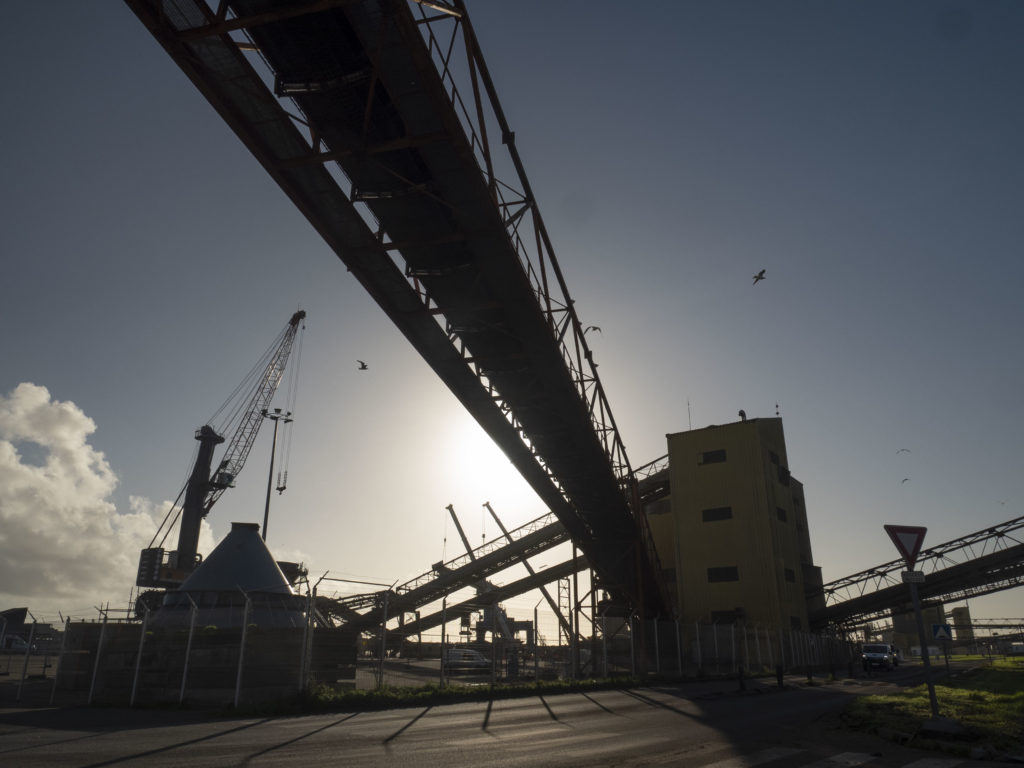
As we had been forewarned, a distinct sugary odour wafts over Montoir-de-Bretagne. The residents who live here on the River Loire estuary in western France are certainly very familiar with the smell of soya given off by the ships that dock here. Each year dozens of giant merchant vessels from Brazil stop off to unload their precious cargo at this port.
Along the length of the quayside agricultural silos jut up into the sky like the skyscrapers in the La Défense business district of Paris. Even the tarmac of this agrifood terminal is covered by a thick sticky mixture of straw-coloured soya beans. Several dozen ships loaded with soya have anchored here in recent months, amid the gigantic cranes and the racket of the unloading machines. Montoir, which has a population of just 7,000, is well-known in the raw material trade. It has become the leading French destination for the import of a crop which is at the centre of a multi-billion dollar business.
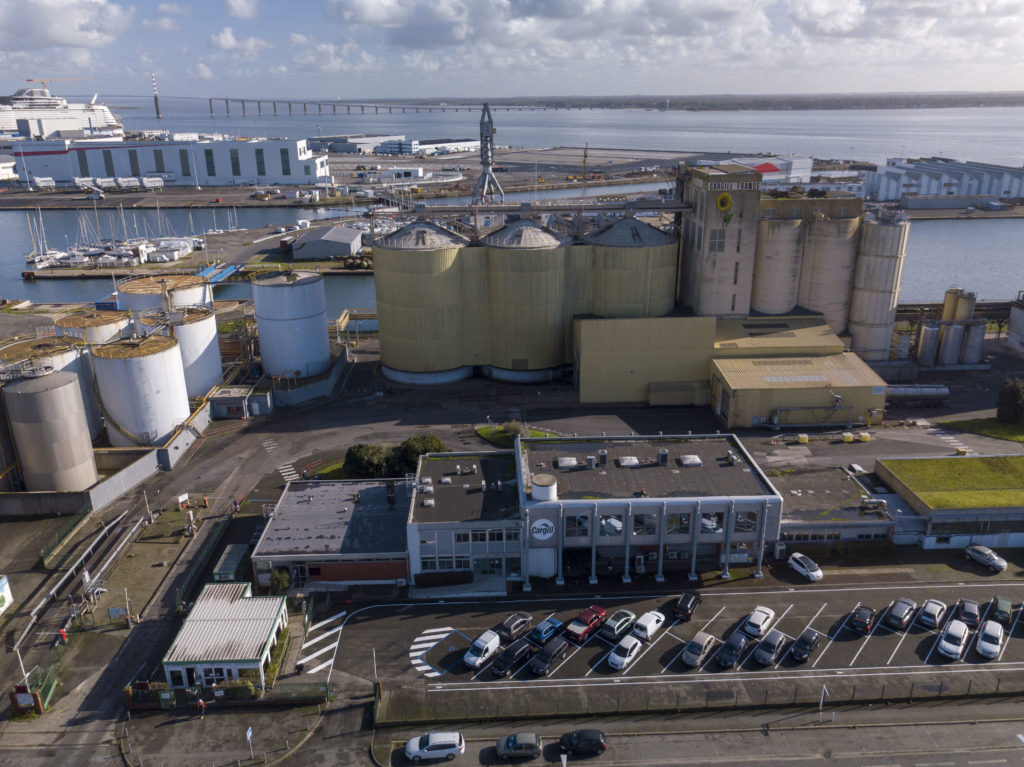
Over the last fifty years or so, the level of soya production in the world has exploded, jumping by 751%. Today this protein-rich bean is one of the basic ingredients of agricultural feed for chickens, pigs, dairy cows and fish, and helps to produce the food that ends up on the plates of French consumers. According to our information at least 68 cargo ships – carrying some 2.1 million tonnes of soya as beans or animal meal – arrived in French ports between April 2019 and June 2020. In the space of just a few decades soya has become the main agricultural raw material imported into France, with Brazil as its leading supplier. But at what cost?
Half of the Cerrado ‘converted’ into agricultural land
To satisfy high demand from European and Chinese livestock farmers, Brazil is clearing whole sections of its ancient forests. In 2006 there was a moratorium in the Amazon which put the brakes on deforestation there. But the pressure from agriculture switched instead to another of the world’s unique natural habitats, the Cerrado; this immense area of forest and woody savannah contains 5% of the world’s biodiversity.
Though less well-known that the neighbouring Amazon, the Cerrado is the most diverse savannah region in the world in terms of species, with 11,000 different species of plants, half of which do not grow anywhere else. This second planetary ‘lung’ covers 22% of Brazil’s land surface, the equivalent of France, England, Spain and Italy combined. In this wooded paradise, home to around 800 different species of birds, naturalists have recorded the presence of the maned wolf, the giant anteater, the giant armadillo, jaguars and Pampas deer. All these mammals, who face possible extinction, have found refuge in this forest which is called ‘Cerrado’ – the name means ‘closed’ – because it has been inaccessible to humans for so long.
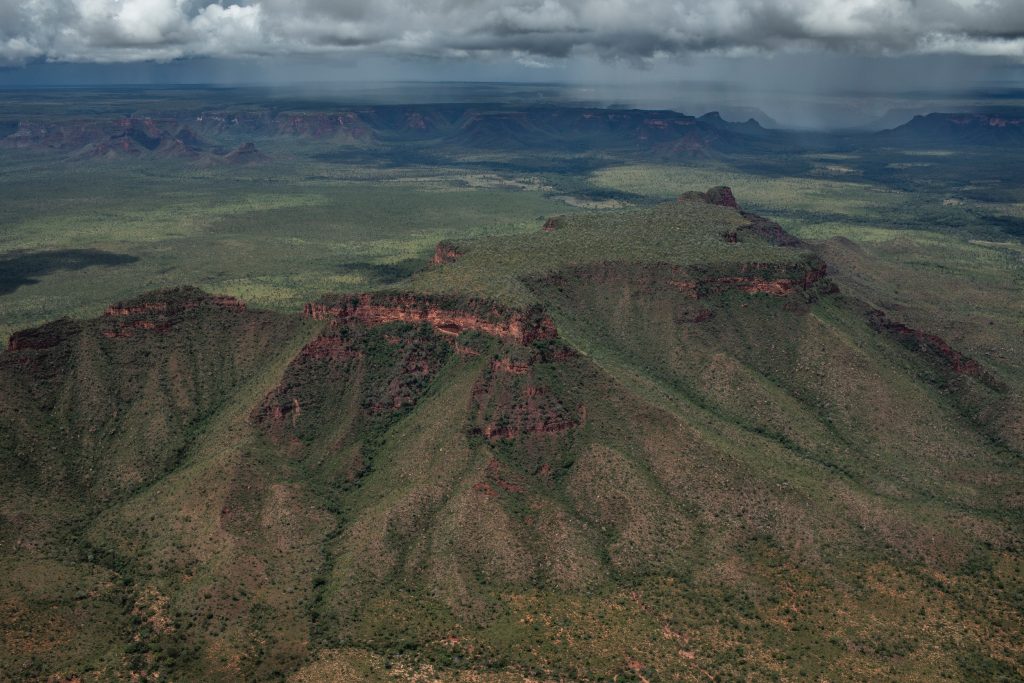
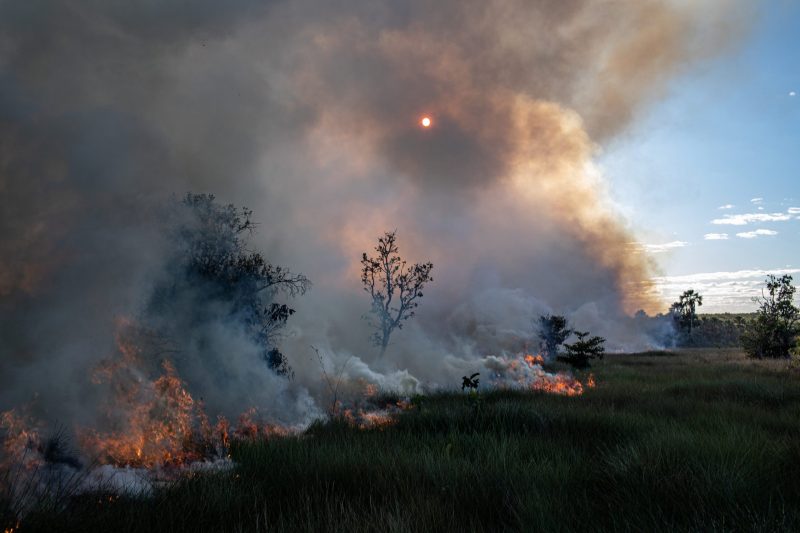
Today half of the forest area has already gone up in smoke. In agriculture-speak, one would say that these millions of hectares deforested by the soya industry have been ‘converted’ to farming use. In plain language they have been cleared with the use of fire. At this rate just 15% of the Cerrado will be left in thirty years.
A total of 19,373 fires between 2015 and 2020
This investigation by Disclose and The Bureau of Investigative Journalism, reveals that between 2015 and 2020 two of the main importers of soya into France, the American multinationals Cargill and Bunge, were complicit in 19,373 deliberate fires started in the heart of the Brazilian Cerrado. Thirteen mega farms with links to Bunge and Cargill were responsible for these fires. As a result more than 12 million hectares – 12,517,900 in total – of the Cerrado were burnt in five years.
Four of these mega farms are located in the municipality of Formosa do Rio Preto in the state of Bahia. According to our calculations, this territory of 15,000 km2 is the main source of the soya sold in France. And it is one of the three territories in Brazil that is most threatened by deforestation.
One of these farms, Fazenza Parceiro, is on its own responsible for the disappearance of 50 km2 of vegetation since the start of 2020, according to an analysis carried out by experts from the American group Chain Reaction Research. When questioned by The Guardian, Cargill confirmed that it was supplied by this farm. The farm itself is owned by SLC Agricola, one of the biggest food producers in Brazil. This group has 17 mega farms in all, ten of which are in the Matopiba area, in the heart of the Cerrado. According to records, more than 210 km2 of land has been deforested at these farms since 2015. That is an area equivalent to twice the size of Paris.
Violence against civilian populations
According to several investigations carried out by non-governmental organisations (NGOs), some large landowners in the Cerrado will stop at nothing to extend their lands. One of the farms in Formosa do Rio Preto, the mega farm Estrondo, has been accused of trying to monopolise land used by local traditional subsistence farmers known as geraizeiros. In 2017 a court ruled that land had indeed been taken illegally from these subsistence farmers and ordered the return of 43,000 hectares. But three years later and the owners of the Estrondo mega farm have still not complied with the court’s ruling. Even worse, they have sought to stop the subsistence farmers from gaining access to their own lands by enlisting the services of a private militia, who have been accused of numerous acts of ill-treatment and pressure aimed at the local population.
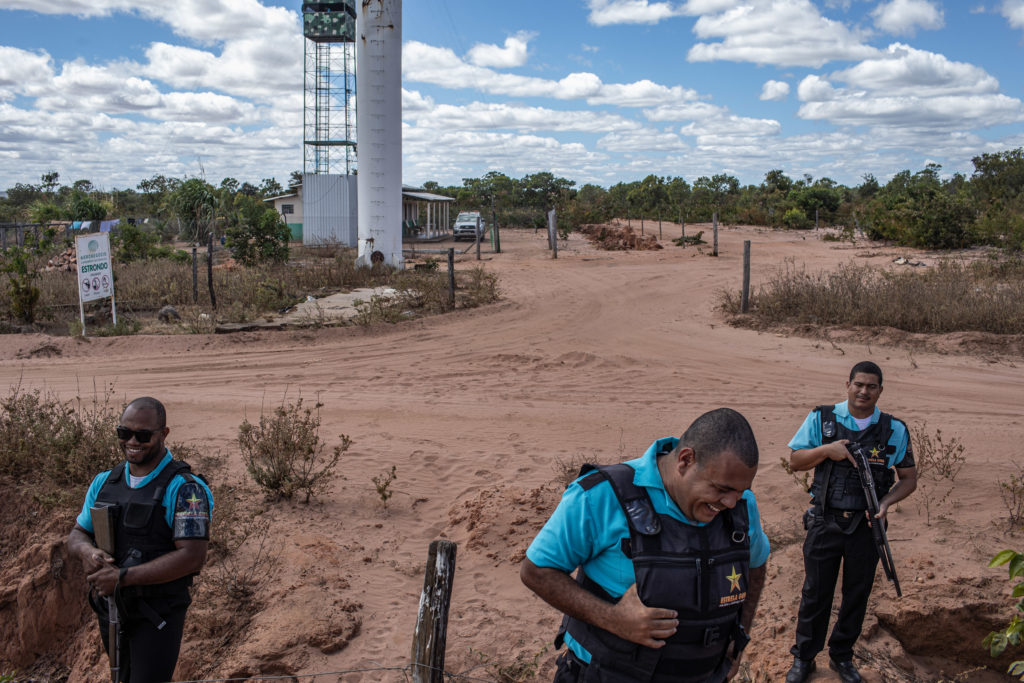
In January 2019 the conservation and environmental website Mongabay published photos of an Estrondo guard opening fire against a livestock farmer in the community. “The guards had taken my livestock and were refusing to give them back,” the farmer later told staff at the NGO Rainforest. “When I said that I was going to take back my cattle, one of the guards shot me in the leg.”
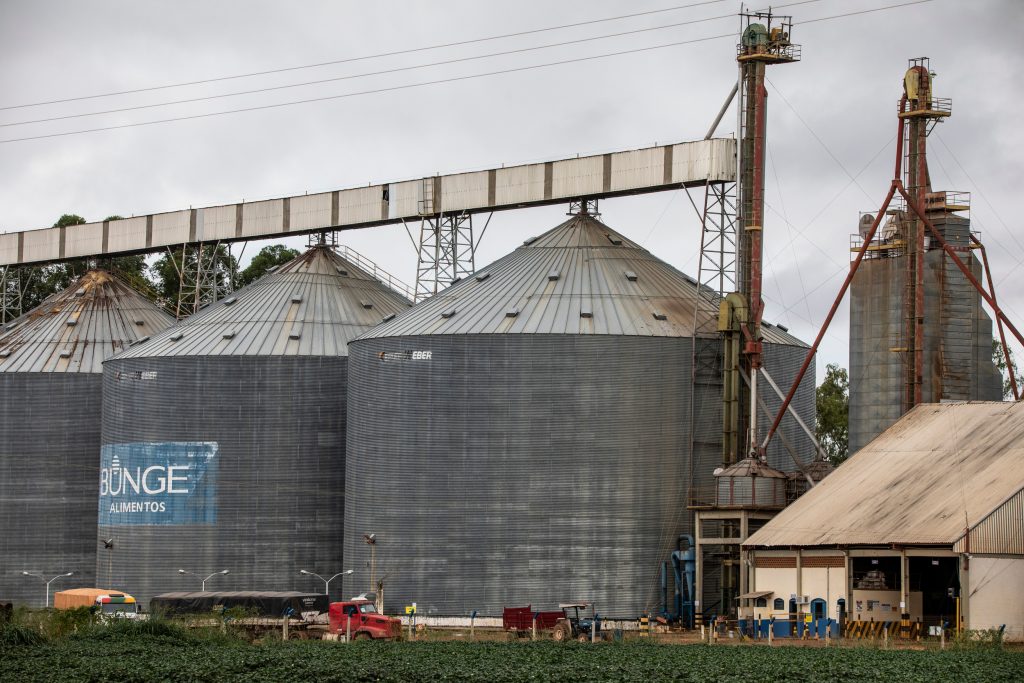
And as if armed guards were not enough, large-scale Brazilian landowners have also dug deep trenches and built embankments to stop people and livestock moving across the land. Recently, Estrondo even built an observation tower to keep watch over the local community and stop anyone coming in. When we asked about the violence carried out by one of its suppliers, Cargill neither confirmed nor denied its links with this mega farm. Yet Disclose is able to state that there are two storage silos on the Estrondo land. They each bear the names of their owners: Cargill and Bunge.
‘Worst company in the world’ and leading importers to France
Cargill, which until recently was the largest private company in the United States, is notorious among environmental groups. Health and environmental scandals – involving contaminated meat, children working in cocoa fields, polluted water, mass deforestation, the displacement of indigenous people – punctuate the history of this multinational whose stated aim is to “nourish the world”.
Questioned by Disclose, Cargill said it has “very little presence in the soya sector in France” and claimed that it did not get supplies from “farmers who clear land in protected areas”. However, according to Trase, a group which seeks to increase transparency over food supply chains, and to commercial information gathered by Disclose, Cargill ranks among the five leading importers of soya to France. In 2018 the company imported 235,935 tonnes of soya into France, of which nearly 63% came from the Cerrado.
In its response Cargill did not mention its opposition in 2019 to the implementation of a moratorium on the growing of soya in the Cerrado and neither did it mention the fact that it had fallen foul of the Brazilian justice system. Two years ago the company, along with its rival Bunge, was ordered to pay a fine of 29 million dollars for having bought 3,000 tonnes of soya that came from illegally-deforested land in Matipoba, one of the worst-affected regions in the Cerrado.
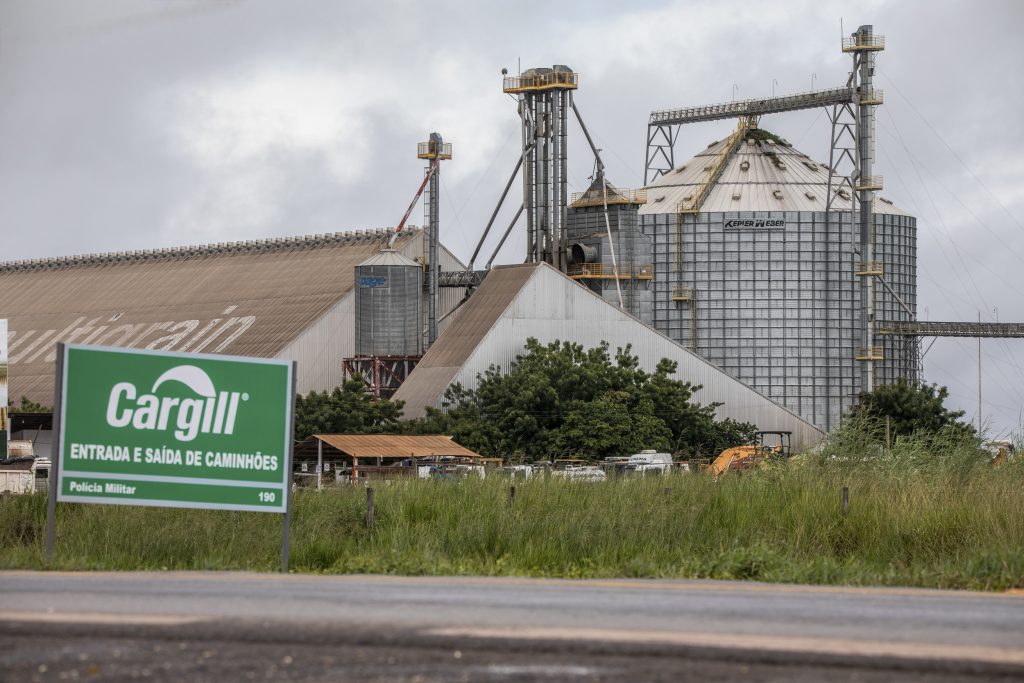
Among Cargill’s clients is McDonald’s France; the private American firm supplies 100% of the nuggets the giant chain sells in its restaurants. When contacted McDonald’s France stated that it uses “non-GM [editor’s note, genetically-modified] soya that is certified ProTerra – with no deforestation – in relation to soya that comes from Brazil”. It was not, however, able to state that its suppliers had not used soya that came from the 13 mega farms implicated in our investigation.
Bunge, the second biggest trader
The more discreet Bunge has become one of the three main importers of soya into France. This New-York-based multinational, which is well-established in Montoir-de-Bretagne, recently opened an office in the nearby large town of Saint-Nazaire. In a report by the environmental NGO Mighty Earth, Bunge was described as “the company most linked to the risks of deforestation of the Cerrado in the last five years”. The NGO stated that the “29 communities in the Cerrado where Bunge operates its commercial silos saw 567,562 hectares of forest disappear during the period 2011 to 2015”. According to our investigation, Bunge has continued to clear land during the last five years. The company did not respond to a request for a comment. Nor did Burger King, which according to Mighty Earth is one of the companies supplied by Bunge.
The French state’s laissez-faire attitude
The unauthorised clearance of trees in the Cerrado could to an extent have been avoided, especially as the threat to the region is well-known to the French authorities. “Soya in the Cerrado isn’t a problem, it’s the Wild West,” Disclose was told by a member of French biodiversity minister Bérangère Abba’s ministerial office. “That’s how it is with soya, with no controls.”
Yet the French state possesses detailed information on where the imported soya comes from. This is revealed in customs documents, obtained by Disclose, relating to the inspection of goods at Montoir-de-Bretagne. The French state has this information not just in relation to Montoir but for other ports too, such as Sète, Brest, Le Havre, La Rochelle and Nantes.
President Emmanuel Macron has acknowledged France’s “share of responsibility” in the deforestation in Brazil. That declaration was in the summer of 2019. But since then nothing has happened. “The commitments made by the government in 2018 in the context of the national strategy to fight against imported deforestation have not been kept,” said Sylvain Angerand, who is head of campaigns at Canopée, an NGO that campaigns against deforestation. “Nothing has happened in two years.”
On November 18th 2020 France’s biodiversity minister Bérangère Abba announced the creation of an online platform to centralise data from the customs service and from Trase. The aim is to identify the flow of produce that could have come as a result of deforestation. But the government is not planning to publish the names of the companies or the areas concerned. “It involves confidential data from companies that is protected by the customs code,” said the biodiversity minister’s office. “Only a restricted number of civil servants from the Ministry of Ecological Transition will have access to them,” it said. Their role will be to alert companies concerned in writing that they are importing soya from protected zones. In short, they will not be telling them anything they do not already know.
Leïla Miñano and Geoffrey Livolsi
This investigation was carried out using data on fires supplied by the not-for-profit organisation Aidenvironment, alerts on deforestation and fires recorded by Nasa, an analysis of the flow of goods in the Trase database, the use of Google satellite images and confidential documents from French customs. The majority of images and videos published in this investigation were sent to us by the environmental information site Mongabay, the Rainforest Foundation Norway and Greenpeace in Brazil and France.
On the same topic
Irreducible agro-industry
Read the collection