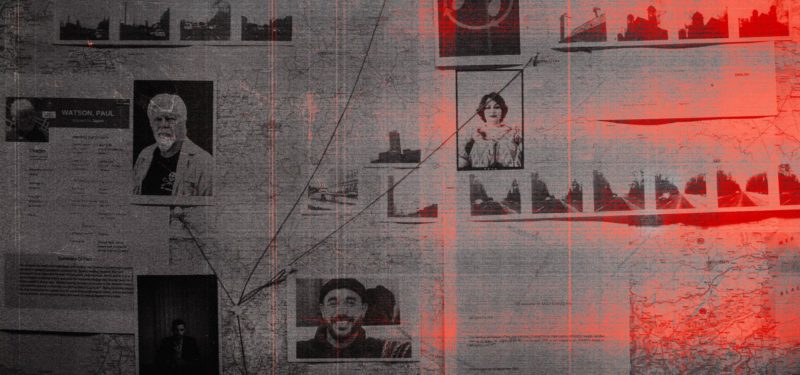
Interpol: Turkish journalists and political activists flagged as “terrorists” by the organisation
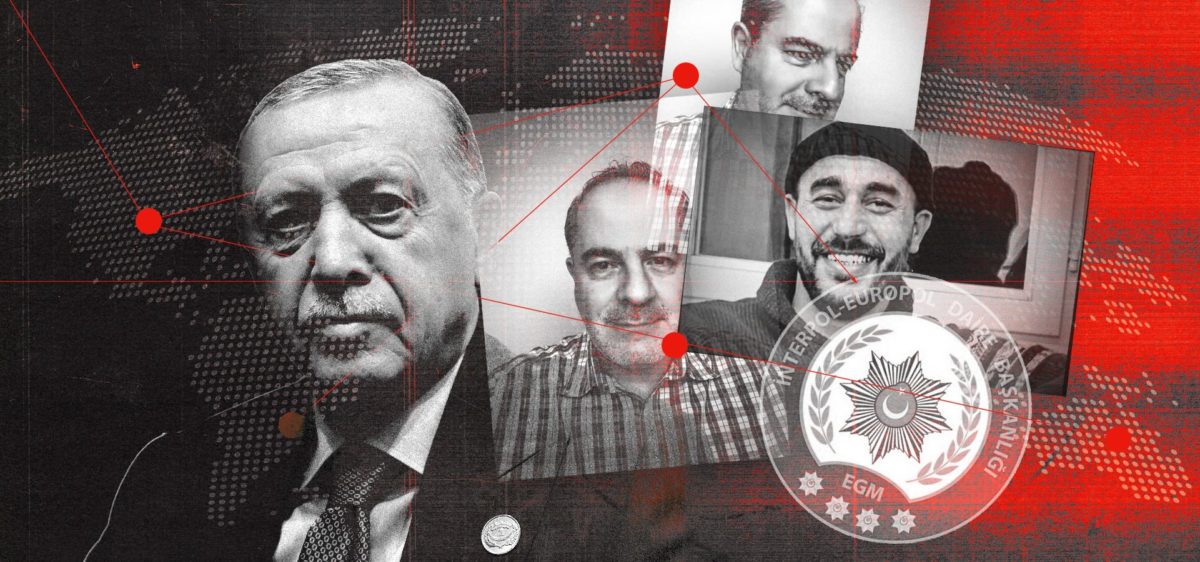
Interpol: Turkish journalists and political activists flagged as “terrorists” by the organisation
For a decade, Turkey has relied on the criminal police organisation to hunt down political opponents and journalists in exile, Disclose can reveal. Faced with the scale of the scheme, the international agency imposed reinforced controls on Ankara in 2021, before reversing course.
Journalist Akin Olgun should never have been under an Interpol red notice. Olgun sought refuge in England in 2002, where he obtained British citizenship. His woes with the international criminal police organisation started with a tweet. On 28 March 2021, he published a message about the move to an upmarket suburb of London of President Erdogan’s son-in-law and former finance minister, Berat Albayrak. The post, widely shared on X (formerly Twitter) and in the Turkish media, upset the regime but the journalist was not investigated. However, on 13 October 2022, he was arrested at Rhodes airport by Greek police who thought he was a dangerous terrorist as his name had been on Interpol’s wanted persons list for several months. Akin Olgun was imprisoned for over a month.
The journalist is still deeply affected and no longer gives interviews. But he told Turkish media that Ankara’s request for his arrest was based on terrorism accusations dating back to 1995. According to NGO Reporters Without Borders, who wrote to Interpol during his imprisonment, Olgun spent “seven years in jail in Turkey” as a result of a “bogus” lawsuit and he was “subjected to torture and ill treatment”. Akin Olgun only managed to have his red notice removed in 2024, two years after his arrest in Greece.
Tracking down Gulen supporters
Akin Olgun’s case is part of widespread misuse of Interpol by Recep Tayyip Erdogan’s authoritarian regime. The abuse took a turn for the worse in 2016, when members of the Turkish armed forces attempted to overthrow the President Erdogan, who has been in power since 2003. The conspiracy resulted in the deaths of 290 people, including a hundred perpetrators, and all-out repression against people suspected of being close to the movement of preacher Fethullah Gulen, who was accused without any evidence of masterminding the plot. Several newspapers and TV channels were closed down and arbitrary arrests were made on a daily basis.
In order to hunt down Gulen supporters, the regime issued an increasing number of red notice requests. The authorities also cancelled hundreds of thousands of Turkish passports on political grounds and took this opportunity to enter the details of some of the documents into an Interpol database called SLTD (for Stolen and Lost Travel Documents). The police file is scrutinised by customs services worldwide. It includes stolen, lost, cancelled or invalid IDs. A single occurrence in the base can have you stopped at the border of any country. Interpol sought to respond by barring the authorities from accessing the SLTD database. According to an internal document seen by Disclose, the police agency deleted close to 74,000 Turkish passports and travel documents between 2016 and 2021 – Turkey managed to register an additional 560 in 2023, all deemed problematic by Interpol.
On the same period, the organisation also rejected red notices of a political nature – 773 over five years. All the people involved were accused of being members of the Gulen movement.
In 2021 did Interpol measure up to the task. The General Secretariat put the country on the list of states under “corrective measures”. In other words, its use of red notices and internal message systems was placed under enhanced surveillance. But less than three years later, the measures were lifted – for good conduct? A memo dated January 2025 leaves some room for doubt. Written by the corrective measures team, it sets out in black and white that “requests from Ankara continue to pose challenges” to the organisation. “Despite improvement in terms of statistics, the non-compliance percentage remains higher than for most countries.”
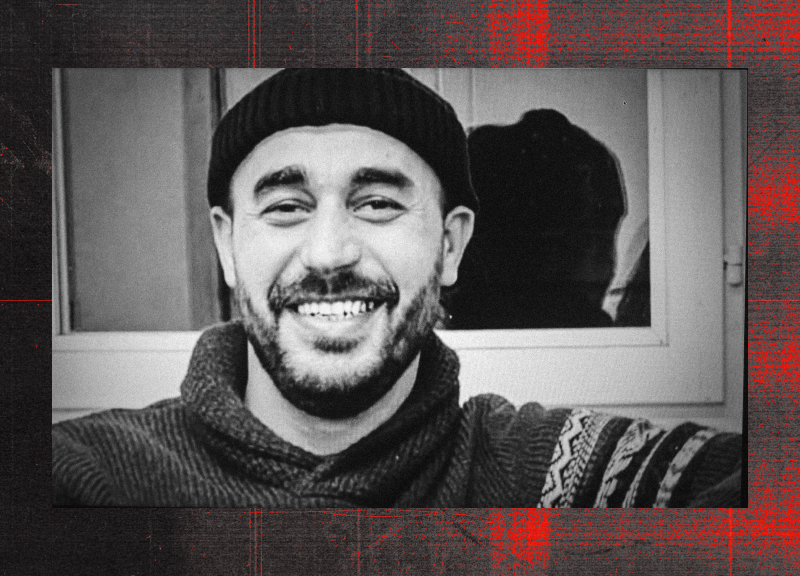
Yaser Ornek, 27, is a direct victim of Ankara’s “non-compliance”. Our investigation reveals that in 2019, the Turkish authorities issued a red notice against Ornek for his alleged links to the Kurdistan Workers Party (PKK), an armed political movement which the European Union classifies as a terrorist organisation. In fact, the regime has targeted him for years because of his open support for the Kurdish people, including when he was student, between 2013 and 2017. “During that time, I was arrested three times because of my political activities university,” he told Disclose. “I was fined and and imprisoned for four months..”
Yaser Ornek found out in 2022 about the red notice against him in circumstances that he says “have had a huge impact on my life”.
In July 2022, as he was travelling between Switzerland and Germany, police stopped him on a road in Bavaria. His name came up in the wanted persons database. He was taken to a police station then to a prison where he stayed twelve days. The notice against him was removed from Interpol’s databases two months later. Why did the red notice remain active for close to three years, although Yaser Ornek had acquired refugee status in 2020? Interpol declined Disclose’s offer to comment on the Turkish police’s repeated violations.
Yaser Ornek has not been able to see his family in Turkey or even in a third country for fear of being arrested. His father died a few months ago and he was not able to say goodbye.
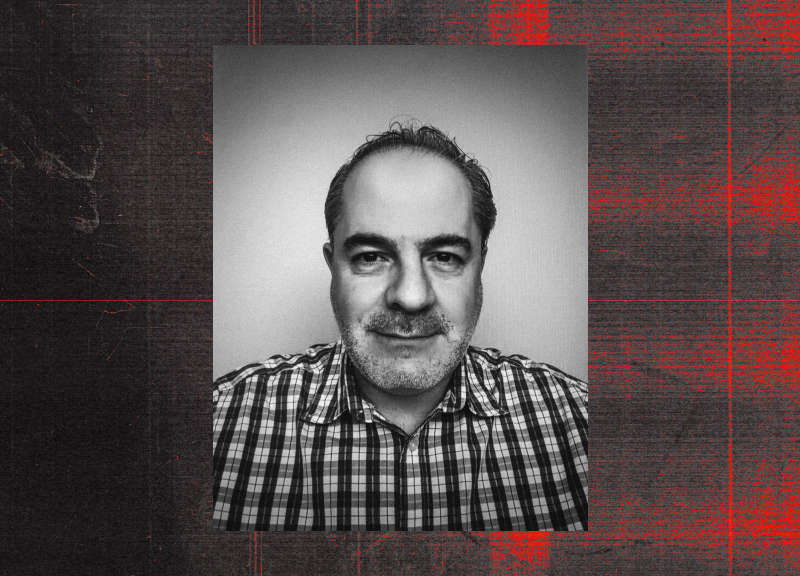
The Turkish authorities use a whole arsenal of techniques to abuse Interpol – cancelled passports and unsubstantiated accusations of terrorism, but also bogus offences. This is revealed by a document published in Swedish media outlet Nordic Monitor by Levent Kenez, a journalist of Turkish origin who sought refuge in Sweden in 2016. In a memo written in June 2025, the deputy director of Interpol’s Ankara bureau explained to the main police and judicial authorities of the country how to get help from Interpol to arrest the journalist, who is accused of being a member of the Gulen movement. The ruse is simple. The real reason why the person is wanted, Gulenism, is replaced with a ground for arrest deemed more credible, such as the “illegal collection or disclosure of personal data”. The trick has not worked but Levent Kenez is adamant: “I have no doubt that the Erdogan government will continue its efforts to seek red notices against political opponents through various tactics.”
Investigation : Mathieu Martinière, Robert Schmidt
Editorial coordination: Mathias Destal, with Ariane Lavrilleux
Fact-checking: Rémi Labed
Editing: Mathias Destal
Photos: Nicolas Serve
Cover image: Éric Delfosse, with Nicolas Serve
Translation from French: Béatrice Murail
This investigation is free of charge, thanks to you
Because information is a public good, Disclose offers you all its investigations free of charge, without subscription or advertising. This model is unique in France for an investigative news outlet.
But it’s only possible on one condition: that readers like you support our not-for-profit newsroom. Donations to Disclose are eligible for a 66% tax reduction in France. So a donation of €100 will only cost you €34. Thank you for your support!



On the same topic