A collaborative investigation on the french arms trade.
France is the third biggest exporter of arms in the world. Its arms trade, which is in principle prohibited, should be regulated by guarantees as to how its exported military equipment is used. In other words, France has an obligation to ensure that the arms it sends to foreign states are not used against civilians — a commitment enshrined in the 2008 European Common Position, and in the Arms Trade Treaty (ATT). This treaty requires each signatory country, including France, to “not authorize any transfer of conventional arms … if it has knowledge at the time of authorization that the arms or items would be used in the commission of genocide, crimes against humanity, grave breaches of the Geneva Conventions of 1949, attacks directed against civilian objects or civilians protected as such.”
Open source information
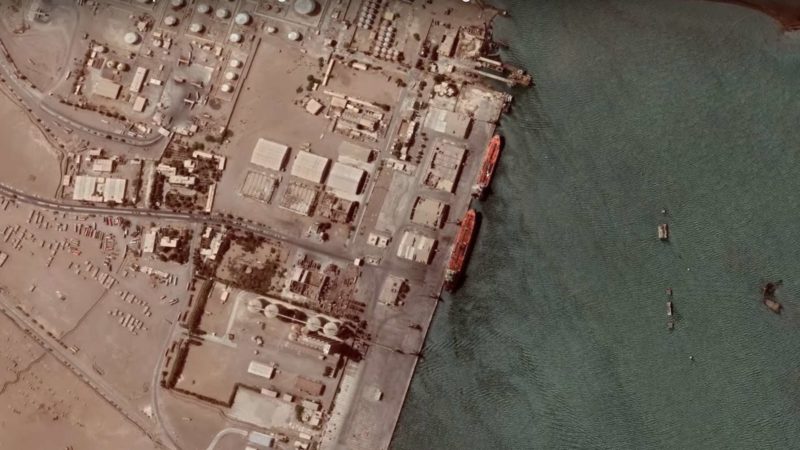
The FrenchArms investigation, led by Lighthouse Reports, in cooperation with Disclose and with the support of Arte, Mediapart, Radio France, and Bellingcat, demonstrates that a number of arms sold by France to foreign countries were used in conflicts in which violations of international human rights law and war crimes have been extensively documented.
The French arms project is the culmination of a collaboration between more than a dozen journalists and intelligence experts. We carried out this investigation using “open source” techniques; our team rigorously analyzed satellite images, posts on social media, and official communications.